
Cadillac Brake System
Cadillac Brake System
Posted on August 19, 2026
A luxury vehicle should feel confident not only when accelerating, but also when slowing down. The Cadillac brake system is engineered to provide controlled stopping performance while helping drivers manage everything from everyday city traffic to sudden braking situations.
Modern Cadillac vehicles combine traditional friction brakes with electronic systems that help monitor braking conditions and support driver control. Understanding how these components work can make it easier to recognize changes in brake performance and know when service may be needed.
For drivers in Saskatoon, where winter conditions can bring snow, ice and slippery roads, maintaining the braking system is particularly important.
What Happens When You Press the Brake Pedal?
Braking may feel simple from the driver's seat, but several components work together when the pedal is pressed.
The brake pedal activates the hydraulic braking system, which transfers pressure through brake fluid to the brake components at each wheel. Brake pads then press against rotating discs, creating friction that slows the vehicle.
At the same time, electronic systems can monitor wheel speed and vehicle movement to help maintain stability and traction during braking.
This combination of mechanical and electronic technology allows modern Cadillac vehicles to deliver braking that feels controlled and predictable.
The Main Players in the Cadillac Brake System
A braking system depends on several components working together. The most important include:
- Brake pads: Create friction against the brake rotors to slow the vehicle.
- Brake rotors: Rotate with the wheels and provide the surface against which the pads press.
- Calipers: Position the brake pads and apply pressure during braking.
- Brake fluid: Transfers hydraulic pressure through the system.
- ABS: Helps prevent wheel lockup during hard braking.
- Electronic brake controls: Work with vehicle sensors to support stability and traction.
Each component has a different role, but they are all connected. A problem with one part can affect the overall braking experience.
Why Brake Rotors and Pads Matter So Much
Brake pads and rotors are wear components, meaning they gradually lose material as the vehicle is driven.
Every time the pads contact the rotors, friction converts the vehicle's kinetic energy into heat. Repeated braking, heavy traffic and frequent stops can accelerate wear.
Drivers may notice several signs when brake components need attention, including:
- Squealing or grinding noises
- Vibrations through the brake pedal or steering wheel
- Longer stopping distances
- Pulling to one side during braking
- A brake warning message
A light squeal does not always indicate a serious problem, but persistent grinding, vibration or reduced braking performance should be inspected promptly.
How ABS Helps During Emergency Braking

Anti-lock Braking System technology is one of the most important electronic features in a modern vehicle.
During hard braking, individual wheels can begin to slow faster than others. If a wheel locks, the driver can lose steering control. ABS monitors wheel speed and rapidly adjusts brake pressure when necessary to help prevent lockup.
This allows the driver to continue steering while braking hard.
For Saskatoon drivers, ABS can be particularly valuable when roads are slippery. However, ABS cannot overcome the limits of available traction. Winter tires, appropriate speed and sufficient following distance remain essential.
Electronic Systems Add Another Layer of Control
Modern Cadillac vehicles use more than ABS to help maintain stability.
Electronic stability and traction-control systems can monitor wheel speed, steering input and vehicle movement. If the system detects a loss of traction or a difference between the driver's intended direction and the vehicle's movement, it can selectively apply braking and adjust power delivery to help the driver maintain control.
These systems work largely in the background, but they can become especially noticeable when road conditions are challenging.
Cadillac Brakes and Winter Driving in Saskatchewan

Saskatoon presents some demanding conditions for any braking system. Cold temperatures, packed snow, ice, road salt and frequent temperature changes can all affect vehicle components.
Winter driving makes it especially important to pay attention to brake performance.
A driver should watch for changes such as increased pedal travel, unusual noises, vibrations or reduced stopping confidence. Brake components can also collect road debris and salt during winter, making regular inspections worthwhile.
Proper winter tires are equally important because the braking system can only work with the traction available between the tires and road surface.
How to Tell When Your Brakes Need Attention
Your vehicle can provide several clues before a braking problem becomes severe.
Listen for Unusual Sounds
A new squeal, scraping sound or grinding noise deserves attention. Grinding can indicate significant brake-pad wear or another problem requiring prompt inspection.
Pay Attention to the Pedal
A brake pedal that suddenly feels softer, sinks farther than usual or requires noticeably more pressure should be inspected.
Watch the Steering Wheel
If the steering wheel shakes or vibrates when braking, the braking system or related components may require inspection.
Notice How the Vehicle Stops
If the vehicle pulls to one side, takes longer to stop or feels different under braking, do not ignore the change.
Don't Ignore Warning Lights
A brake-system warning message or indicator should be taken seriously. Warning systems are designed to alert the driver when a monitored condition requires attention.
How Often Should Cadillac Brakes Be Inspected?
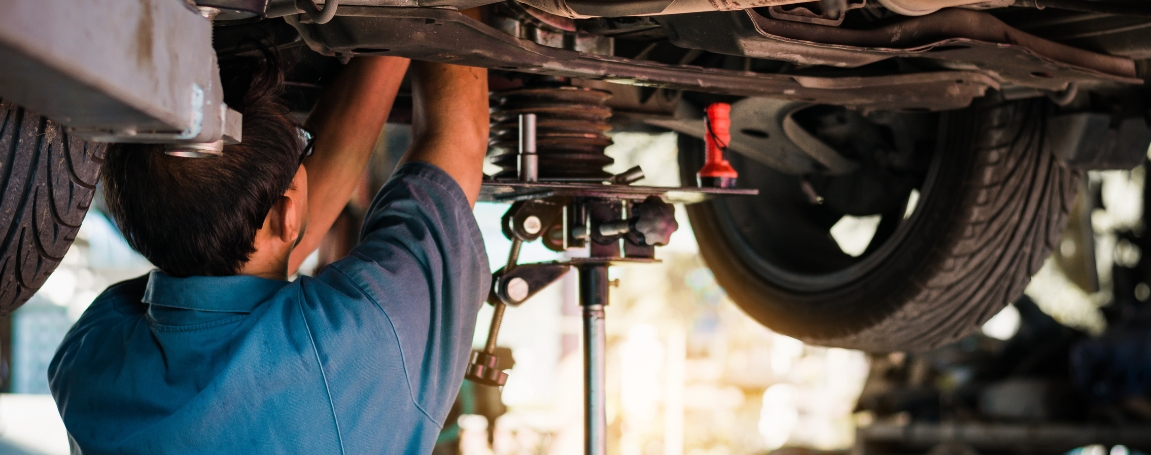
There is no single mileage interval that applies to every Cadillac because brake wear depends on driving habits, vehicle configuration, road conditions and traffic.
A vehicle used mainly for highway driving may experience different brake wear from one driven primarily through busy city streets.
Routine service appointments provide an opportunity to inspect brake pad thickness, rotor condition, brake fluid, and other components. Following the maintenance recommendations for your specific Cadillac is the best way to stay ahead of potential problems.
Can You Extend Brake Life?
Driving habits can influence brake wear.
Maintaining a safe following distance gives you more time to slow gradually instead of making repeated hard stops. Avoiding unnecessary acceleration followed by heavy braking can also reduce wear.
Keeping tires properly inflated and using the correct seasonal tires helps maintain traction, allowing the braking system to work more effectively.
Most importantly, do not postpone a brake inspection when you notice a change.
Professional Cadillac Brake Service in Saskatoon
Brake performance is something you should never compromise. Whether you need routine inspection, brake-pad replacement or help diagnosing an unusual braking symptom, qualified technicians can identify the source of the problem and recommend the appropriate service.
At Wheaton Cadillac in Saskatoon, drivers can turn to a team familiar with Cadillac vehicles and their braking systems. Regular inspections and timely maintenance can help keep your vehicle performing with the confidence expected from a Cadillac.
If your brakes feel different, make a new noise or trigger a warning message, schedule an inspection rather than waiting for the problem to become more serious.