
Everything You Need to Know About EV Rebates
Everything You Need to Know About EV Rebates
Posted on June 19, 2026
Electric vehicles are becoming more practical for Saskatchewan drivers as ownership costs drop and charging infrastructure expands. While the province itself has fewer direct rebate programs than some other regions, 2026 brings a mix of federal incentives, utility-based savings, and long-term ownership benefits that make switching to an EV more appealing than ever.
For drivers across Saskatoon and surrounding areas, the biggest advantage is not just upfront savings, it’s the reduced cost of ownership over time, especially with rising fuel prices and improved winter-ready EV technology.
Understanding EV Incentives Available in 2026
In Canada, EV incentives are primarily supported at the federal level. The Incentives for Zero-Emission Vehicles (iZEV) program continues to play a key role, offering eligible buyers rebates on qualifying electric models. These incentives help reduce the initial purchase price, making EVs more manageable to a wider range of drivers.
Although Saskatchewan does not currently offer a large-scale provincial EV rebate program, buyers can still benefit from federal savings combined with dealership promotions and manufacturer incentives. Some utility programs may also provide support for home charger installation, helping reduce setup costs.
Charging Advantages and Infrastructure Growth
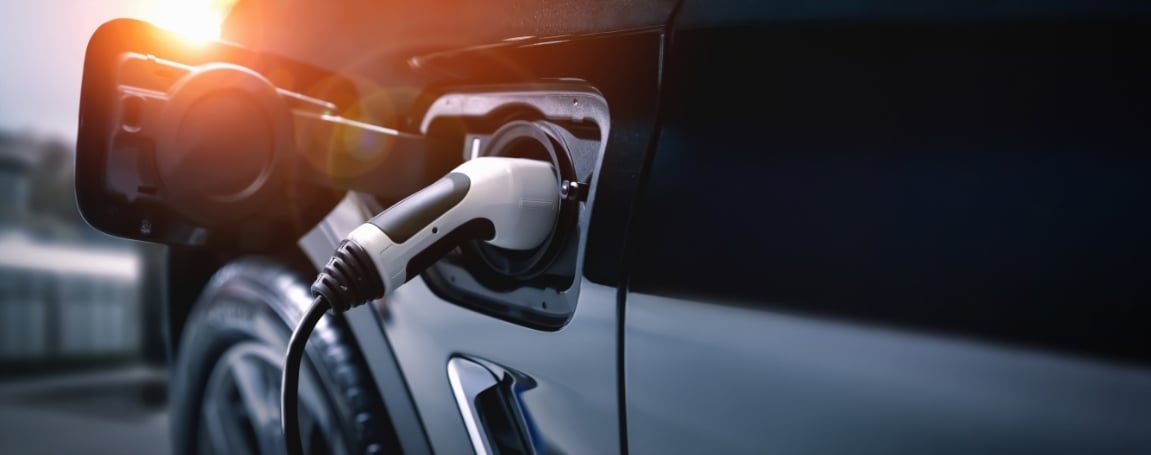
One of the major concerns for new EV owners is access to charging, but Saskatchewan’s network is steadily expanding. Public charging stations are increasingly available along major highways, urban centres, and retail locations.
Home charging remains the most convenient option. Installing a Level 2 charger allows most electric vehicles to recharge overnight, ensuring a full battery every morning. This convenience eliminates frequent gas station visits and significantly reduces daily running costs.
Real Ownership Savings Beyond the Sticker Price

Electric vehicles offer more than just rebate savings. Over time, drivers benefit from:
Lower energy costs compared to gasoline
less maintenance needs because of fewer moving parts
No oil changes or traditional engine servicing
Regenerative braking that extends brake life
For comparison, a modern electric SUV or sedan typically delivers 100+ MPGe, making it significantly more efficient than traditional internal combustion vehicles.
Even performance-focused EVs, often producing between 300 and 600 horsepower and instant torque exceeding 400 lb-ft, maintain strong efficiency thanks to advanced battery systems and regenerative energy recovery.
Technology and Comfort in Modern EVs
Today’s electric vehicles are designed as high-tech platforms. Most models include large infotainment systems ranging from 11 to 17 inches, offering seamless access to navigation, media, and vehicle settings.
Interior layouts prioritize comfort and space since EV platforms eliminate traditional engine constraints. This often results in improved cargo capacity and flat-floor cabin designs, making SUVs especially spacious for families.
Advanced connectivity features include over-the-air updates, smartphone integration, built-in voice assistants, and real-time charging station navigation.
Safety and Driver Assistance Innovation
Modern EVs are among the most advanced vehicles on the road in terms of safety. Most models include:
Adaptive cruise control with stop-and-go
Lane-keeping assistance and lane centering
Blind spot detection and rear cross-traffic alert
Automatic emergency braking with pedestrian detection
360-degree surround camera systems
Because electric cars have a small centre of gravity due to battery placement, they also benefit from improved stability and reduced rollover risk.
Winter Driving Confidence in Saskatchewan

Cold climates can impact EV range, but newer battery thermal management systems help maintain consistent performance even during harsh winters. Preconditioning features allow drivers to warm the cabin and battery while plugged in, preserving driving range before departure.
All-wheel-drive electric SUVs are particularly popular in Saskatchewan due to their instant torque distribution and excellent traction on snow and ice-covered roads.
Why More Drivers Are Switching in 2026
The transition to electric mobility is no longer just about environmental awareness—it’s also about practicality. With improving range, faster charging, and increasing access to incentives, EV ownership is becoming a realistic option for daily commuting, long-distance travel, and family use.
Whether choosing a compact electric sedan or a performance-oriented SUV, drivers can expect a combination of strong horsepower, smooth acceleration, advanced safety systems, and lower long-term costs.
Explore EV Incentives and Start Your Electric Journey Today
EV ownership in Saskatchewan is evolving quickly, supported by federal rebates, expanding charging infrastructure, and continuous technology improvements. While incentives help reduce upfront costs, the long-term benefits make electric vehicles an increasingly smart choice for many drivers.
For personalized guidance, vehicle comparisons, and available electric models, visit Wheaton Cadillac Saskatoon in Saskatoon. Our team can help you explore current EV options, charging solutions, and incentives available for your next electric vehicle purchase.