
Winter Tires vs All-Season Tires: What Works Best in Saskatchewan?
Winter Tires vs All-Season Tires: What Works Best in Saskatchewan?
Posted on September 24, 2026

Saskatchewan winters can be tough on drivers and vehicles. Saskatoon can see freezing temperatures, packed snow, ice, slush, and changing road conditions throughout the season. For Cadillac drivers, having the right tires can make a noticeable difference in traction, braking, steering control, and overall confidence.
All-season tires are designed to provide balanced performance in different conditions, while winter tires are specifically engineered for cold temperatures and winter roads. Both have their advantages, but they are not designed for the same conditions.
So, which option is better for Saskatchewan driving? For regular winter driving in Saskatoon, winter tires are generally the stronger choice. Here is what you should know before deciding.
How Winter Tires and All-Season Tires Differ
The biggest difference between the two types of tires is how their rubber compounds and tread designs respond to temperature.
All-season tires are built as a compromise. They are designed to perform in warmer weather, light snow, and wet conditions. They can be convenient for drivers who want one set of tires for most of the year.
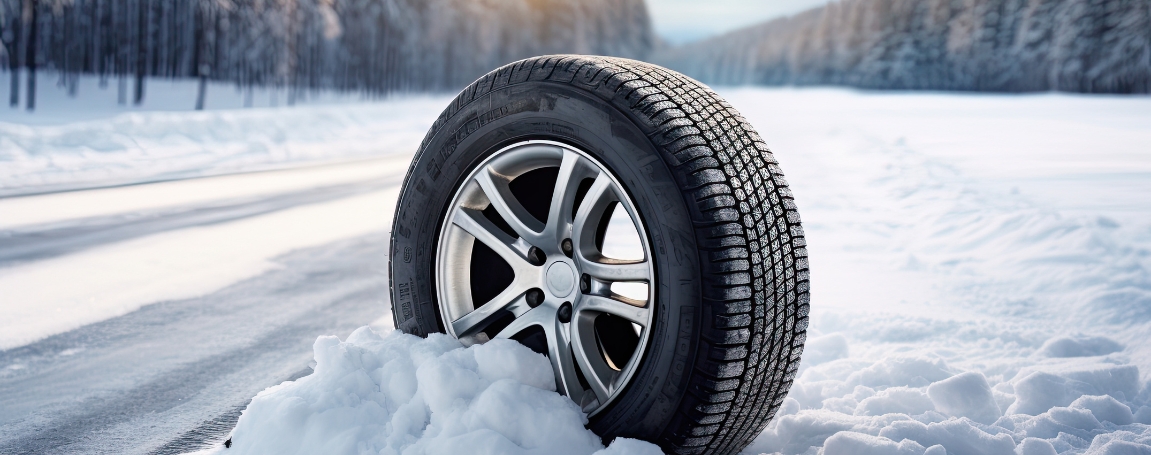
Winter tires take a different approach. Their rubber compounds are designed to remain flexible at low temperatures. Their tread patterns also feature additional biting edges and grooves that help provide traction on snow and ice.
This difference becomes especially important as Saskatchewan temperatures fall well below freezing. Even when the road appears dry, cold temperatures can affect the performance of a tire that is not designed specifically for winter conditions.
Why Winter Tires Matter in Saskatchewan

Saskatchewan's winter conditions can change quickly. A clear road in the morning can become snow-covered or icy later in the day. Drivers may also encounter packed snow at intersections, slush on busy roads, and ice on less-travelled streets.
Winter tires are designed for these conditions. Their softer rubber compound remains more flexible in cold weather, allowing the tread to maintain better contact with the road.
They also have tread patterns designed to move through snow and provide additional edges for grip. This can help with acceleration, cornering, and braking when winter conditions are present.
For Saskatoon drivers who commute regularly, the benefits can be especially useful. Daily trips to work, school, shopping areas, and other destinations can involve a wide range of road surfaces during the winter season.
Winter Tires Can Help With Braking
Stopping safely is one of the most important parts of winter driving. Snow and ice naturally reduce available traction, so your vehicle's tires need to provide as much grip as possible.
Winter tires are designed to maintain traction in cold conditions and can provide better braking performance than all-season tires when temperatures are low.
This does not mean winter tires eliminate stopping-distance concerns. Drivers still need to slow down, leave extra space between vehicles, and adjust their driving for road conditions.
However, using tires designed for winter can give your Cadillac a better foundation for dealing with slippery roads.
All-Season Tires Offer Year-Round Convenience
All-season tires remain a practical option for some drivers. Their biggest advantage is convenience because you do not need to change between summer and winter tire sets.
They are designed to handle a broad range of conditions, including dry roads, rain, and some light snow. If you live in an area with relatively mild winters and rarely encounter severe snow or ice, all-season tires may meet your needs.
However, Saskatchewan presents a more demanding winter environment. Extended periods of cold weather, snow, and ice mean that the limitations of all-season tires can become more noticeable.
For drivers who regularly travel during winter, convenience should be weighed against the need for cold-weather traction.
What About All-Weather Tires?
All-weather tires are another option worth understanding. Unlike all-season tires, all-weather tires are designed with stronger winter performance in mind and are typically marked with the three-peak mountain snowflake symbol, indicating they meet a defined severe-snow service standard.
They can be useful for drivers who want a single tire set that provides more winter capability than a conventional all-season tire while still working throughout the warmer months.
That said, dedicated winter tires remain the more specialized option for drivers who regularly face severe winter conditions. The best choice depends on your driving habits, road conditions, vehicle, and expectations.
How Your Cadillac's AWD System Fits Into the Decision
Some Cadillac models are available with all-wheel drive, which can be helpful when accelerating on slippery roads. However, all-wheel drive does not replace the need for appropriate tires.
The tires are the part of your vehicle that directly contacts the road. An AWD system can help distribute engine power between the wheels, but it cannot create traction where the tires do not have enough grip.
That is why an AWD Cadillac can still benefit significantly from a proper set of winter tires in Saskatchewan.
Think of AWD and winter tires as serving different purposes. AWD can help with power delivery, while winter tires help provide the traction needed between the vehicle and the road.
When Should You Install Winter Tires?
Timing matters when preparing for Saskatchewan winter. It is better to install winter tires before the first major snowfall rather than waiting until roads become difficult.
A useful approach is to consider the temperature rather than simply waiting for snow. Once temperatures consistently become cold enough for winter conditions, switching to winter tires can make sense.
Installing them early also helps you avoid the rush that can happen when the first major winter storm arrives. You can have the tires inspected, balanced, and installed before conditions become challenging.
In the spring, switch back when temperatures are consistently warmer. Using winter tires during warm weather can cause their softer rubber compound to wear more quickly.
How to Care for Winter Tires
Buying winter tires is only part of the process. Proper maintenance can help them perform as intended and extend their useful life.
Check tire pressure regularly throughout the winter. Cold temperatures can reduce tire pressure, so a tire that was correctly inflated in warmer weather may need attention as temperatures drop.
Inspect the tread for uneven wear and damage. Tire rotation may also be recommended depending on your vehicle and tire setup.
When winter ends, store your winter tires properly if you use a separate set. Keep them clean and store them in a cool, dry location away from direct sunlight and sources of heat.
Choose Tires Based on Your Driving Habits
There is no single tire choice that works perfectly for every Saskatchewan driver.
If your Cadillac is mainly used for short trips in the city and you prefer year-round convenience, all-season or all-weather tires may seem appealing. However, if you regularly drive through snow, ice, and consistently cold temperatures, dedicated winter tires offer a more suitable setup.
Your typical commute, parking situation, highway driving, frequency of rural travel, and comfort level in winter conditions should all be considered.
Drivers who frequently travel outside Saskatoon may want to place even greater importance on winter traction because road conditions can vary considerably between urban and rural routes.
Winter Tires vs. All-Season Tires: Which Should You Choose?
For most drivers facing a typical Saskatchewan winter, winter tires are the better choice for cold-weather driving. Their rubber compounds and tread designs are specifically developed to provide traction in low temperatures, snow, and icy conditions.
All-season tires offer convenience and balanced year-round performance, but they are not a substitute for dedicated winter tires when conditions become severe. All-weather tires provide another middle-ground option for drivers who prefer one set of tires but want stronger winter capability.
Regardless of your choice, tire condition, correct inflation, proper vehicle maintenance, and safe driving habits remain important. Slow down when roads are slippery, maintain extra following distance, and make sure your tires are ready before winter arrives.
Get Your Cadillac Ready for Saskatchewan Winter
Choosing the right tires is an important part of preparing your Cadillac for Saskatoon's winter roads. If you are unsure which tire setup is appropriate for your Cadillac, the team at Wheaton Cadillac Saskatoon can help you understand your options and prepare your vehicle for the season.
Visit Wheaton Cadillac Saskatoon for winter tire and seasonal vehicle-care assistance, and get your Cadillac ready for the cold months ahead.